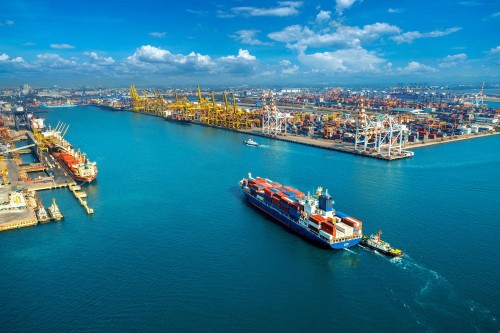
The European Union is actively considering new restrictions on imports from China as concerns mount over the bloc’s growing reliance on Chinese goods. Officials are particularly worried about the potential repercussions on European industries, as an influx of cost-effective Chinese products could undermine domestic sectors and contribute to economic decline in parts of the region.
EU commissioners have convened to scrutinize the impact of increasing Chinese imports across various industries, such as manufacturing, agriculture, healthcare, technology, and defense. This meeting aims to address what some policymakers have termed “China Shock 2.0,” a nod to the swift rise in Chinese exports, including electric vehicles, industrial machinery components, medical equipment, and consumer goods.
While immediate decisions are not anticipated, the discussions are a step toward formulating a coordinated response from the EU ahead of forthcoming deliberations among European leaders. Possible measures under consideration include import quotas, tariff-rate quotas, and other trade protections aimed at safeguarding sectors facing heightened competition from heavily subsidized or cheaper imports from China.
Economists advise that while protective measures are necessary, the EU should also maintain engagement with China, which remains a significant trading partner and a crucial market for numerous European businesses. Analysts point out that China’s focus on manufacturing expansion and technological advancement could lead to increased trade tensions with key export markets.
China views the EU as an essential market, especially for sectors like electric vehicles and advanced manufacturing products. Therefore, any substantial restrictions could provoke retaliatory actions from Beijing, escalating the stakes for both parties. These discussions underscore Europe’s broader initiative to bolster economic resilience while navigating its intricate trade relationship with China.