
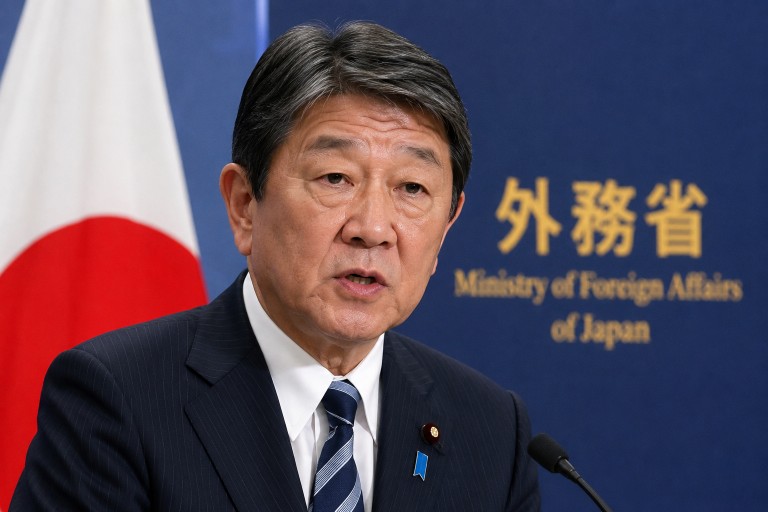
In an effort to ease diplomatic tensions, Japan has cautiously initiated dialogue with China and Russia, as evidenced by recent interactions involving Foreign Minister Toshimitsu Motegi at the ASEAN summit in Manila. Motegi reported a brief, informal conversation with Chinese Foreign Minister Wang Yi. He underscored the significance of maintaining dialogue to ensure regional stability. Despite Japan’s account, China refuted the claim, stating that no meeting or planned interaction occurred.
The ASEAN summit also provided a platform for Japan to reestablish communication with Russia. Foreign Minister Motegi confirmed a short discussion with Russian Foreign Minister Sergey Lavrov, marking the first such contact between the nations’ top diplomats since Russia’s 2022 invasion of Ukraine. The conversation revolved around bilateral relations and broader regional matters.
Despite these diplomatic efforts, Japan remains steadfast in its support for Ukraine and continues to uphold sanctions against Russia. While the dialogues signal a willingness to manage bilateral issues through conversation, analysts warn that Japan must ensure these engagements do not compromise its international obligations.
Japan’s approach highlights the delicate balance it seeks to strike in its foreign relations, particularly with its ongoing support for Ukraine amidst global tensions. The interactions at the ASEAN summit reflect Japan’s strategic attempt to maintain communication channels without altering its stance on critical international policies.