
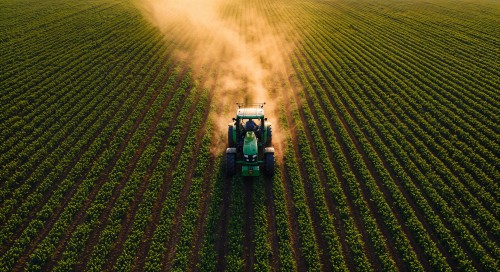
China is set to launch an ambitious five-year plan from 2026 to 2030, focusing on the modernization of agriculture and rural areas. This initiative, unveiled by the State Council, aims to bolster food security, enhance agricultural productivity, and elevate the quality of life in rural communities. By the end of the plan, China hopes to have strengthened its agricultural sector’s quality and competitiveness while solidifying the advances made in reducing poverty.
A core target of the plan is to boost grain production capacity to around 725 million tonnes by 2030. Additionally, it emphasizes maintaining a high standard for agricultural product quality and safety, with an inspection pass rate goal of 98 percent or higher. The strategy also includes objectives related to meat production, sustainable agricultural practices, rural waste management, and technological innovation, all designed to foster income growth for farmers.
The Chinese authorities stress that the plan emphasizes improving the quality and efficiency of agricultural production to ensure a stable supply of essential foodstuffs. This aligns with the growing consumer demand for healthier and higher-quality agricultural products. The initiative also seeks to transform agriculture into a more advanced and sustainable industry, promoting balanced development between urban and rural regions.
Key initiatives within the plan involve expanding high-standard farmland, enhancing agricultural research and innovation, and developing cold-chain logistics infrastructure. There is a strong focus on incorporating modern farming techniques, such as artificial intelligence, into agriculture. Moreover, the plan aims to modernize agricultural product processing and encourage environmentally friendly farming practices.
Building on recent successes, such as achieving a grain output of nearly 715 million tonnes in 2025 for the second consecutive year, the plan looks to further advance the sector. Currently, scientific and technological progress contributes over 64 percent to agricultural development, with the goal to increase this to 67 percent by 2030. The plan also supports emerging sectors like intelligent breeding technologies, new-energy agricultural machinery, and innovative food production, marking a significant step towards a more technologically sophisticated and sustainable agricultural framework.