European governments have spent decades trying to maintain a channel of engagement with Iran, believing that diplomacy offers better prospects for managing Iranian behavior than confrontation. The death of Khamenei — the man who consistently prioritized ideology over economic interest and repeatedly blocked or undermined diplomatic openings — has prompted quiet discussion in European capitals about whether a window of opportunity might be opening.
The EU was Iran’s largest trading partner during the brief periods when sanctions were reduced and relations were relatively normalized. European companies invested in Iran’s energy sector and trade relationships were expanding before they were disrupted by the reimposition of American sanctions and Iran’s own nuclear activity. The memory of that economic relationship creates an incentive for European governments to explore whether new leadership in Tehran might be interested in reviving it.
Any such diplomacy faces enormous obstacles. The current armed conflict would need to cease or at least pause before meaningful diplomatic engagement could occur. Iran’s new leadership, whoever it is, will face domestic pressure to maintain a hardline posture — appearing to negotiate under military pressure would be politically costly. And the United States, which is one of the parties to the conflict, would need to either support or at least not actively undermine any European diplomatic initiative.
The nuclear dimension further complicates the picture. European governments have consistently sought to prevent Iran from developing nuclear weapons, and any diplomatic engagement would need to address the current ambiguity about Iran’s nuclear intentions following Khamenei’s death and the removal of his fatwa as a formal constraint.
Despite these obstacles, European diplomats are likely to be actively exploring the possibilities. The combination of a leadership transition and a devastating war creates conditions in which Iranian decision-makers might be more receptive to an exit ramp than at any previous point. Whether that receptiveness exists, and whether it can be converted into concrete diplomatic progress, are the critical questions.
The European Question: Will Khamenei’s Death Open a Window for Diplomacy?
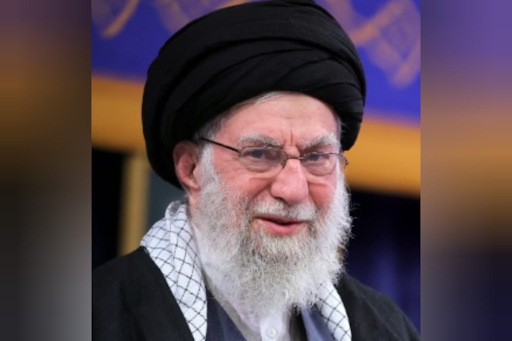
Photo by khamenei.ir, via wikimedia commons
56