
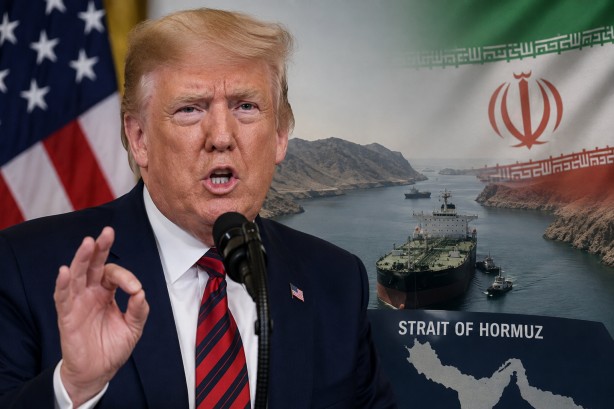
Iran has issued a stern warning to Gulf states, cautioning that any new military action by the United States targeting its territory could provoke retaliatory strikes on critical energy infrastructures throughout the Gulf region. This warning comes from officials who are privy to the ongoing discussions. In a series of diplomatic engagements, Iranian Foreign Minister Abbas Araqchi has reportedly reached out to high-level officials from countries including Saudi Arabia, Qatar, Turkey, and Pakistan. During these talks, Araqchi called on regional allies to encourage Washington to refrain from further military aggression, emphasizing that any attack on Iran would be met with a direct response against US interests and vital energy facilities in the Gulf.
The backdrop to this tense situation includes recent threats from US President Donald Trump, who has indicated a willingness to target Iran’s energy infrastructure. In light of these developments, Iran has reiterated its preference for resolving tensions through diplomatic channels. However, Iranian officials have made it clear that they are prepared to defend themselves if attacked. In response to these dynamics, Saudi Arabia has reportedly advocated for prioritizing negotiations and avoiding any actions that could escalate the conflict. At the same time, Saudi officials have asserted their readiness to protect their territory against any potential aggression.
The Iranian warning outlines possible targets within the Gulf region, such as oil facilities, refineries, power grids, water infrastructure, transport networks, and oil fields, should another US strike occur. This move underscores the growing apprehension that renewed hostilities could severely disrupt Gulf energy supplies and contribute to regional instability. Such disruptions could have far-reaching effects, potentially threatening global energy markets and economic stability worldwide.
Regional leaders are continuing their efforts to defuse tensions and emphasize the importance of diplomatic solutions to prevent a broader conflict. The stakes are high, as any escalation could have significant implications not only for the countries directly involved but also for international energy security. The situation remains delicate, with all parties urged to engage in dialogue to avoid actions that could lead to a further deterioration of regional peace and stability.