
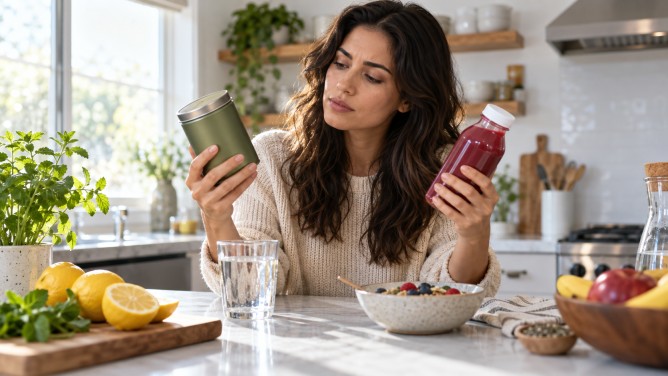
In a digital age where wellness trends are rapidly shared online, many individuals are drawn to practices promising improved health, better digestion, glowing skin, and increased energy. However, caution is advised, as not all popular wellness routines are universally safe or effective. While trends like detox teas, oil pulling, and high-dose supplements may seem appealing, they often lack scientific backing and can carry potential risks.
Oil pulling, for instance, involves swishing oil like coconut or sesame around the mouth with the hope of enhancing oral health. Despite its popularity, there’s limited evidence supporting claims of dental benefits such as teeth whitening. Moreover, vigorous swishing can strain jaw muscles, particularly in those with existing jaw issues. Moderation is key, and oil pulling should not replace traditional oral hygiene practices.
Detox teas are another trend to approach with caution. Often marketed as a means to cleanse the body and promote weight loss, these teas may contain laxatives like senna. Regular use without medical guidance can lead to dehydration, electrolyte imbalance, and other digestive issues. A balanced diet rich in fiber and regular hydration is a safer strategy for maintaining digestive health.
Similarly, intensive Ayurvedic practices such as Panchakarma cleanses, often promoted for home use, pose risks when not supervised by professionals. These practices can lead to dehydration and inadequate nutrition. Consulting healthcare professionals before undertaking such regimens is advised, as the body naturally processes and excretes waste through the liver and kidneys.
Excessive water consumption, particularly in the morning, is another trend that warrants a careful approach. While staying hydrated is important, drinking large amounts of water in a short time can cause hyponatremia, a potentially dangerous condition. It’s best to listen to your body’s thirst signals and spread fluid intake throughout the day.
Other practices like aggressive dry brushing, taking high-dose herbal supplements, and adding excessive ghee to drinks for weight loss carry their own risks. These can lead to skin irritation, negative interactions with medications, and increased calorie intake, respectively. Professional guidance and moderation are key when considering such trends.
Ultimately, before adopting any new wellness practice, it is crucial to evaluate its scientific support and understand potential risks. Sustainable health habits, including balanced nutrition, regular exercise, adequate sleep, and professional medical advice, remain the foundation of effective wellness routines.