
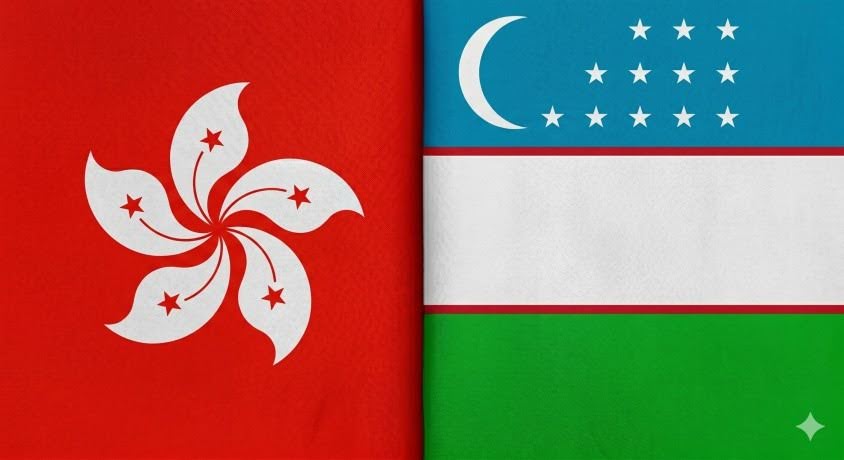
In a significant development aimed at bolstering international ties, Hong Kong and Uzbekistan have reached an agreement to introduce a mutual visa-free travel arrangement. This new policy will enable travelers from both regions to visit each other for up to 30 days without needing a visa. The agreement was formalized through an exchange of official notes between the governments, with Hong Kong Chief Executive John Lee and Uzbekistan Foreign Minister Bakhtiyor Saidov in attendance. The focus now shifts to finalizing the implementation details to roll out the arrangement promptly.
At present, those holding Hong Kong passports are permitted to enter Uzbekistan without a visa for a duration of up to 10 days. However, Uzbek nationals with ordinary passports face visa requirements for travel to Hong Kong. The forthcoming visa-free scheme is anticipated to significantly enhance various sectors, including economic, trade, tourism, education, and business links between the two regions. This is part of Hong Kong’s broader initiative to deepen connections with emerging markets in Central Asia, signaling a strategic shift in its international outreach.
The travel industry has already started to respond enthusiastically to the announcement, with numerous tour operators planning to offer an expanded array of travel packages to Uzbekistan and other Central Asian locales. This move is expected to stimulate interest among tourists and bolster the tourism sectors in both regions. Authorities are optimistic that this visa-free policy will not only facilitate greater interpersonal exchanges but will also lay the groundwork for sustained economic collaboration.
By easing travel restrictions, the new arrangement is likely to generate increased traffic between Hong Kong and Uzbekistan, fostering a more robust people-to-people connection. Such initiatives are crucial for creating pathways to long-term partnerships and economic development. Both governments are keen to see this policy take effect quickly, recognizing the potential benefits for their respective economies and communities.
Ultimately, this visa-free travel agreement represents a forward-looking approach to international relations, underscoring the importance of connectivity and cooperation in a globalized world. It reflects both regions’ commitment to exploring new avenues for mutual growth and understanding, ensuring that they remain competitive and engaged on the global stage.