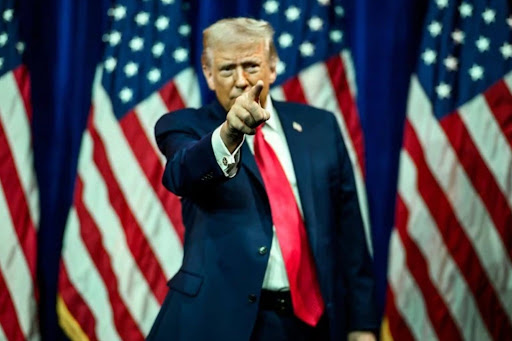
President Donald Trump brought the global economic dimension of the Iran ceasefire dispute into sharp focus on Thursday, making clear through his Truth Social post that the world’s oil markets were waiting on Iran’s decision about the peace process. Trump accused Iranian negotiators of privately seeking a deal while the government maintained a false public posture, and he argued that the Strait of Hormuz — a critical element of the US ceasefire proposal — could not remain a point of uncertainty without causing ongoing damage to the global economy. He warned that Iran’s continued stalling had economic consequences far beyond its borders.
The US ceasefire proposal encompasses 15 provisions, with the Strait of Hormuz featuring prominently as one of the most critical elements. The plan also includes sanctions relief, a nuclear rollback, and missile restrictions. The Strait of Hormuz carries roughly one-fifth of the world’s oil supply and is of immense strategic and economic importance to nations around the world. Iran’s rejection of the proposal has left this vital shipping lane in a state of dangerous uncertainty.
Tehran has publicly articulated its own conditions through state media, including demands for recognition of its sovereignty over the Strait of Hormuz, protection for its officials, formal no-war guarantees, and war damage reparations. These demands reflect a government that sees control over the strait as a fundamental sovereign right rather than a point of negotiation. Closing the gap between the two sides’ positions on this critical issue is among the most challenging aspects of the entire negotiation.
The conflict has taken an immense human toll. Over 1,500 Iranians and nearly 1,100 Lebanese have been killed, with further casualties across Israel and the region. Thirteen US troops have also died, and millions of civilians in Iran and Lebanon remain displaced.
Trump’s economic framing on Thursday was a reminder that the consequences of Iran’s choices extend far beyond the region. Military strikes and stalled diplomacy continue to create uncertainty in global energy markets, and the cost of continued delay is being paid not just in lives but in economic terms. Iran must recognize the global dimension of its choices and act with the urgency they demand.